India’s Cinematic Landscape, Reimagined
By Pickle May 10, 2026
Share:


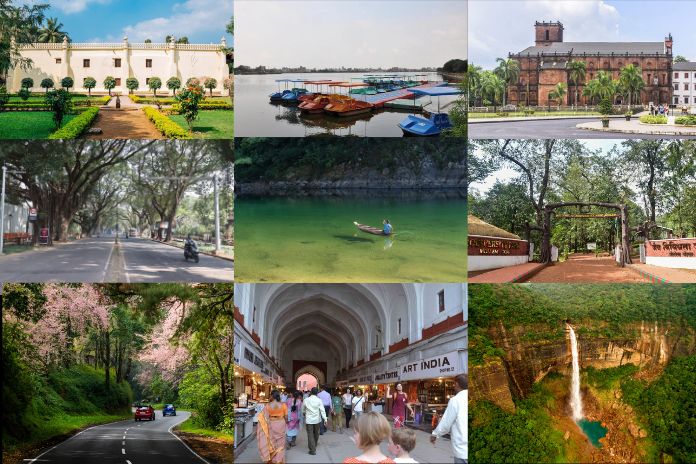
India’s vast landscape offers far more than its well-known landmarks. With a special focus on Bihar – in this edition we bring together a carefully curated, lesser-known locations across India—each distinguished by its visual richness and cinematic potential. From the lush, painterly landscapes of Konaseema, Andhra Pradesh to the sculpted modernism of Chandigarh, every setting offers a distinct aesthetic language. Discover the quiet romance of Saralpara’s (Assam) rolling hills, the ethereal allure of Shaheed Dweep’s (Andaman and Nicobar Island) underwater worlds, and the atmospheric intrigue of Bhuli Bhatiyari ka Mahal, Delhi. From the evocative ruins of Shettihalli Rosary Church, Karnataka to the stately grandeur of Warangal Fort, Telangana and the stark elegance of Nubra Valley’s (Ladakh) high-altitude deserts to the surreal rhythm of Chandipur’s (Odisha) receding tides—each location is as compelling as it is uncommon. Even the untouched stillness of the Lamgau caves (Goa) reveals a rare, cinematic intimacy.
Bihar: Beyond the Familiar spaces
Bihar offers a tapestry of visual storytelling possibilities, ranging from the pulse of modern urban life to the whispered secrets of ancient ruins.
For filmmakers looking to capture the essence of the Indian subcontinent, these locations provide a backdrop of unparalleled depth and beauty.
Urban Elegance and Heritage Grandeur in Patna
The capital city of Patna blends the old world with the new, offering a diverse palette for any production. The Ganga JP Path (Marine Drive) serves as a sleek, modern riverside boulevard, making it the premier choice for high-energy urban scenes, romantic musical tracks, or dynamic street photography. For those seeking a more regal atmosphere, the Sultan Palace stands as a magnificent example of Indo-Islamic architecture; its heritage charm has already been immortalized in period dramas like Senapati.

The city’s skyline is punctuated by the Golghar, an 18th-century granary whose unique architectural curves and panoramic vistas offer a distinct silhouette for the silver screen. Meanwhile, the Bapu Tower serves as a contemporary landmark dedicated to Mahatma Gandhi, providing a clean and thoughtful setting for modern or educational narratives.
A Sanctuary for Spiritual Narratives
Bihar’s spiritual landscape offers a serene, international ambience that is hard to replicate elsewhere. The Mahabodhi Temple in Bodh Gaya, a UNESCO World Heritage Site, stands as the epicentre of Buddhist spirituality and is a magnet for international stories. Surrounding this are various monasteries and meditation parks, which offer versatile settings for narratives exploring peace and introspection.

In Rajgir, the Vishwa Shanti Stupa crowns the hilltop as a gleaming white peace pagoda, ideal for films weaving themes of history and spirituality. For stories rooted in deep cultural traditions, the Manokamna Temple in Darbhanga offers an authentic emotional backdrop, as seen in Rajni Ki Baraat. Additionally, the Pawapuri Jain Temple, a stunning marble structure set amidst a tranquil lake, provides a visually unique and serene location for religious storytelling.
Untamed Vistas and Natural Wonders
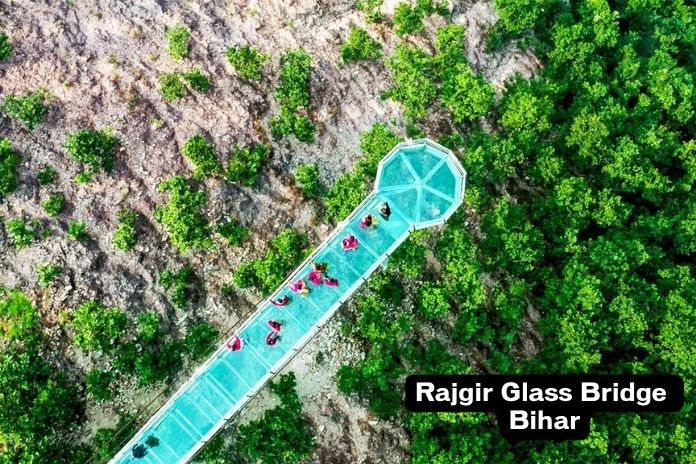
For action-packed sequences or breathtaking drone shots, the Rajgir Valley is a filmmaker’s dream, featuring lush green hills and a striking Glass Bridge suspended 200 feet in the air. Nearby, the Ghora Katora Lake provides a more quiet beauty, where tranquil waters and emerald hills create the perfect environment for romance or adventure.
Adventure-seekers and wildlife documentarians will find a home in the Valmiki Tiger Reserve, where dense forests and winding riverbanks have previously hosted productions such as the Hindi film Tia. For a more dramatic natural aesthetic, the Kaimur Hills offer untouched verdant valleys and seasonal waterfalls that capture the raw, rugged beauty of the region.
Echoes of an Ancient World
Bihar’s historical depth is best represented by its world-renowned ruins. The Nalanda University Ruins, a sprawling 30-acre UNESCO site of ancient brickwork, provides an unparalleled setting for academic and historical themes. Similarly, the Vikramshila University Ruins stand as an iconic symbol of the region’s scholarly heritage. To add a layer of Mauryan-era authenticity, the rare Ashoka Pillars in Vaishali and Lauriya Nandangarh serve as invaluable assets for period dramas and historical documentaries
Other lesser known cinematic landscape of India are –
Konaseema District, Andhra Pradesh
Konaseema is an oasis of enchanting beauty, peace and tranquillity.

Its magnificent landscape, artistic temples, lavish greenery, lustrous coconut grooves and fields and its resilience is picture perfect location for any cinematic narrative. Konaseema is surrounded by other beautiful locations like Papi Kondalu (Papi Hills), Kolleru Lake, Maredumilli Forest (Papikonda Wildlife Sanctuary), Mangrove (Mada) Forest (Coringa Wildlife Sanctuary).
Zemithang, Twang, Arunachal Pradesh
Zemithang the last administrative division of India in the Twang District is surrounded by snowcapped mountain, lush valleys and crystal clear Nyamjang Chu river.

The landscape of Zemthang is a stunning blend of rugged mountain clips, alpine meadows and serene river side scenes which turns vivid during sunset and sunrise. With minimal light and sound pollution the place is perfect for stargazing.
Saralpara, Kokrajahar, Assam
Situated in the Bodoland Territorial Region (BTR) of Assam near Bhutan. It is accessible from Kokrajhar and Bongaigaon town, with a 3-hour journey from either. Known for its quiet, raw natural beauty, it features rushing rivers, dense forests, and mountainous terrain.

Saralpara is a hidden gem tucked along the Indo-Bhutan border – where rolling green hills, crystal-clear rivers, and raw natural beauty create an enchanting background for romantic sagas, musicals or mystical stories.
Shaheed Dweep, (Neil Island), South Andaman, Andaman and Nicobar Island
Shaheed Dweep formerly known as the Neil Island is a serene, small island in the Andaman and Nicobar Islands, located about 37 km south of Port Blair. Known for its rustic charm, white sandy beaches, and coral reefs it offers an the vibrant palette of colours that paint the landscape.

The sandy beaches that fringe the island are soft, powdery white, contrasting beautifully with the lush green vegetation that blankets the interior. The coral reefs that lie just beneath the surface of the water are a riot of colours, with hues of pink, purple, and orange dancing in the sunlight. Snorkelling or scuba diving in these waters is an experience like no other, as you find yourself surrounded by schools of tropical fish, their scales glinting like jewels in the underwater kaleidoscope.
Bilaspur, Chhattisgarh
Bilaspur, famously known as The City of Festivals, is a vibrant urban city nestled in the Bilaspur District of Chhattisgarh, India. The city is divided by the winding Arpa River.

The nearby villages of Ratanpur and Malhar are known for their ancient, intricately carved temples. Khutaghat Dam situated in the North is framed by hills and Achanakmar Wildlife Sanctuary – a tiger reserve is situated in the Northwest of the city. Its bamboo and teak forests are also home to leopards, flying squirrels, and wild dogs.
Chandigarh
Designed by Swiss-French architect Le Corbusier in the 1950s, serving as the joint capital of Punjab and Haryana and a Union Territory Chandigarh, the “City Beautiful,” is a premier planned city in India. Famous for its modern architecture, grid-iron roads, and green spaces it is surrounded by like Sukhna Lake, the Rock Garden, and the Capitol Complex.

The city is renowned for its modernist, functionalist design is also home to Dhanas Lake, which is a 17 acre man-made lake – a serene lake side locale within the Patiala-Ki-Rao reserve forest area.
Nagoa Beach, Diu, Dadra and Nagar Haveli and Daman & Diu
Located just 8 km from Diu in Bucharwada, Nagoa Beach is a stunning perfect semi-circle known for its gentle lapping waves and soft sandy shores. This popular spot is often compared to the best beaches in Goa and can be a stunning alternative to any beaches in the world.

The rare lush palm, (Hoka) trees provides ample shade to enjoy the soothing coastal breeze. Conveniently, the beach is very accessible, through its nearby airport with regular flights from Mumbai. Unexplored attractions and unaffected grace make Dadra and Nagar Haveli and Daman & Diu two perfect locations for both leisure and high-end film production.
Bhuli Bhatiyari ka Mahal, Delhi
Off the beaten path, Bhuli Bhatiyari ka Mahal, in Karol Bhag area of Delhi, is a place mostly visited by photography lovers and those intrigued by its reputation as the most haunted places in Delhi. Built by Firoz Shah Tughlaq as a royal hunting lodge in the 14th century, what remains today is a rubble masonry gate, a doorway with corbelled arches and a huge rectangular courtyard.
Lamgau Caves, Lamgau Village, Goa
Goa is famous for its sun-soaked beaches and neon-lit parties, but beneath the surface of the “holiday vibe” lies a side of the state that is ancient, silent, and deeply spiritual. This side of Goa is often unexplored and known only to a select few. Lamgau Caves Complex in one such location.

Believed to have been created during the rule of Bhoja Dynasty (6th – 7th Century AD), carved out of basalt rock – the caves showcase intricate architectural details and carvings and consists of multiple chambers, each serving different purposes. The caves provide a fascinating historical contrast to the typical “beach vibe” associated with Goa.
Polo forest, Sabarkantha, Gujarat
Derived from the Marwari word pol, meaning “gate,” the Polo Forest serves as a storied gateway between Gujarat and Rajasthan, cloaked in a narrative worthy of cinema. This 400-square-kilometer expanse of dry mixed deciduous forest transforms into a lush sanctuary between September and December, fed by the monsoon rains. Historically, it served as a perfect hiding place—tucked between sacred eastern and western hills—where rulers could remain concealed from enemies, citizens, and even the midday sun.

Today, the forest is a landscape of atmospheric mystery, marked by abandonment and ancient decay, yet it remains vibrant and alive through the Adivasi settlements whose people remain deeply connected to the forest in their everyday lives
Raja Nahar Singh Fort, Ballabgarh, Haryana
Rich in history, this beautifully maintained fort palace of the legendary Raja Nahar Singh is now open to welcome visitors as a heritage hotel – to experience the rich heritage and relive the royal legacy.

Raja Nahar Singh, a key figure in the 1857 revolt against the British rule, made this palace his home, and his legacy lives on within its walls. Also known as the Ballabhgarh Fort, the beautiful pavilions and courtyards enchants with its royal ambience – beautified with antiques of a bygone past, stone jallies and intricately carved arches, that transforms you to the ear of nobility and grandeur.
Churah Valley, Chamba, Himachal Pradesh
Tucked away in the Chamba District of Himachal Pradesh, the Churah Valley is defined by its expansive meadows that erupt into a vibrant floral display during the spring and summer months.

This landscape of surreal natural beauty is draped in dense deodar and pine forests and framed by the formidable Dhauladhar and Pir Panjal mountain ranges. Adding to its scenic charm, the valley is nourished by the waters of the Ravi and Saal rivers, which further enhance its pristine wilderness.
Patnitop, Udhampur, Jammu and Kashmir
Cradled amidst the snow-capped Pir Panjal range, Patnitop promises an unforgettable getaway to the Himalayas. Nestled within a lush cover of deodar trees, emerald pines and dense woods which are enthralling anytime of the year. One can also experience the journey through the 9.28km-long engineering marvel- journey through the magnificent Dr. Syama Prasad Mookerjee Tunnel, India’s longest road tunnel connecting Chenani and Nashri.

Patnitop offers a timeless journey through ancient heritage, spiritual retreats, and panoramic vistas, blending serene sanctuaries with thrilling hillside adventures, a rich history, and ancient legends intertwined within the landscape.
Hargaddi Chokahatu, Ranchi, Jharkhand
Jharkhand is emerging as a premier destination for megalithic history, offering a landscape that delights both archaeology and culture enthusiasts. At the heart of this discovery is Chokahatu, home to the state’s largest megalith site. Located 70km southeast of Ranchi, this eight-acre “hargarhi” (burial ground) has been used by the tribals since ancient times and remains a living heritage site.

The site features a sprawling collection of approximately 8,000 stones, including varied menhirs, burial slabs, and dolmens built over cremated bones. From massive table-tops to intricate stone arrangements, these megaliths are set against a backdrop of verdant hills and rivers, creating a truly remarkable spectacle.
Shettihalli Rosary Church, Hassan, Karnataka
Built in the 1860s by the French missionaries, the church is a magnificent structure of Gothic Architecture.

However, the construction of Hemavathi dam over the river uprooted all villages surrounding the area of the church. Since then, every year during peak monsoon (from June to October), the land floods with water and enters the surviving skeletal frame of the building. Also known as the Floating Church, the church still stands, with only about one-third of its structure above the water’s surface.
Munroe Island, Kerala
Nestled at the confluence of Ashtamudi Lake and the Kallada River in Kerala’s Kollam district, Munroe Island—or Munrothuruthu—is a picturesque and tranquil destination. Named after Colonel John Munroe, a British resident of the former princely state of Travancore, the island is celebrated for its scenic backwaters, lush greenery, and rich cultural heritage.

It offers a unique, immersive experience for those seeking to explore the serene and untouched beauty of Kerala’s backwater landscapes.
Nubra Valley, Ladakh
Accessed via the Khardung La Pass, Nubra Valley is a high-altitude cold desert shaped by the confluence of the Nubra and Shyok rivers. The region is renowned for the sand dunes of Hunder and its double-humped Bactrian camels, which remain as a legacy of the ancient Silk Route.

Further along, the villages of Tyakshi and Turtuk offer a quiet charm defined by rich Balti heritage and peaceful life near the border. With its blend of fertile villages, glacial rivers, and stark desert terrain, Nubra stands as one of Ladakh’s most diverse and prominent landscapes.
Kalpeni, Lakshadweep
Situated 63 km from Androth, Kalpeni is one of Lakshadweep’s most beautiful destinations, renowned for its scenic islets—Thilakkam, Pitti, and the uninhabited Cheriyam—all enclosed within a vast, shallow lagoon. A distinctive feature of the island is the massive storm bank of coral debris along its eastern and southwestern shores, believed to have been deposited by a powerful storm in 1847. Blessed with a diverse ecology, Kalpeni is home to a wide variety of flora, fauna, and rare aquatic species. Its golden sandy beaches, crystal-clear Arabian Sea waters, and vibrant coral reefs create a bewitching natural beauty that enchants visitors. The island’s splendid surroundings cast a magical spell, capturing the imagination of all who visit.
Jabalpur, Madhya Pradesh
Named after the sage Jabali, Jabalpur is the historic “city of lakes” in India’s heart, famed for its dramatic geology and heritage. The iconic Bhedaghat features 100-foot marble cliffs flanking the Narmada River, culminating in the misty, 98-foot Dhuandhar Falls. Visitors can explore the earthquake-defying Balancing Rock, Dumna Nature Park, and the 11th-century Madan Mahal Fort.

The city’s spiritual fabric includes the 10th-century Chausath Yogini Temple, Kachnar City’s massive Shiva statue, and Tilwara Ghat. From the expansive Bargi Dam to the Pisanhari ki Madiya Jain temple and the Gaurav Sangrahalaya military museum, Jabalpur seamlessly blends natural wonder with deep-rooted history.
Ambazari Lake, Nagpur, Maharashtra
Situated near Nagpur’s southwest border, Ambazari Lake is the city’s oldest and largest body of water. Commissioned in 1870 by the Bhonsle dynasty, it originally supplied the city via clay pipes and serves as the source of the Nag River.

Its name, derived from the Marathi word ‘Amba’ for mango, reflects the surrounding groves. Today, the lake and its adjacent garden represent Nagpur’s dedication to preserving natural and historical heritage. Offering a serene escape from urban life, it remains a unique destination providing a harmonious blend of leisure, scenic beauty, and rich historical intrigue.
Tharon Cave, Tamenglong, Manipur
Located approximately 27 km from Tamenglong district headquarters, Tharon Cave is a mystical site of profound archaeological and historical significance. These largely unexplored caves, an ideal destination for adventure seekers, are presumed to have served as shelters in the past.

Archaeological excavations have revealed fascinating links to antiquity, uncovering items belonging to the Hobinian culture of North Vietnam. Combining intrigue with rugged appeal, the cave stands as a significant landmark for those exploring the historical depth of the region.
Siju Cave, Garo Hills Meghalaya
Also known as Dobakkol or Bat Cave, is one of India’s longest limestone caves, stretching over 4.7 km in Meghalaya. Located near the Simsang River, this fascinating site offers an adventurous underground exploration through labyrinthine passages adorned with nature’s artistry in the form of stalactites and stalagmites.

Renowned for its stunning rock formations and underground streams, the cave is home to thousands of bats and unique cave-dwelling species. These biological features make it a significant site for biospeleology research, inviting visitors to marvel at a complex subterranean world.
Champhai, Mizoram
Located 192 km from Aizawl, Champhai is a bustling border town blending ancient heritage with modern development. Known as Mizoram’s “fruit bowl,” its slopes feature vibrant vineyards, passion fruit, and kiwi plantations. Beyond its beauty, Champhai is a storehouse of monoliths and relics depicting legendary folklore and tribal achievements.

At its base lies the Champhai Valley, a wide expanse of rice fields famously called the “rice bowl of Mizoram.” This spectacular landscape, framed by undulating hills and steeped in history, offers one of the state’s most awe-inspiring views, making it an ideal destination for travellers.
Dzükou Valley, Kohima, Nagaland
Often called India’s “wild east,” Dzükou Valley is a remote, rugged paradise nestled between Nagaland and Manipur at 2,452 meters. Renowned for its rolling meadows and sacred silence, the valley transforms into a seasonal floral wonderland, home to the rare, endemic Dzükou lily.

The terrain features a surreal blend of bamboo thickets, crystal-clear streams, and natural caves, offering a striking contrast between rugged adventure and serene beauty. This breathtaking landscape serves as both a trekker’s delight and a soulful escape into untouched nature, making it the heart of Nagaland’s mystique for those seeking a tranquil, high-altitude sanctuary.
Chandipur, Balasore, Odihsa
Situated along the shore of the Bay of Bengal, Chandipur Beach is uniquely characterized by a tide that recedes up to 5 km, allowing travelers the rare opportunity to walk directly upon the seabed. During these low tides, the area transforms into a vibrant biodiversity hotspot. Swamps blanketed in seagrass provide shelter for hundreds of tiny fish, gastropods, and mollusks, which in turn attract egrets and seagulls for feeding.

The sand is adorned with hundreds of intricate patterns created by sea crabs, including red crabs that scurry into their holes when approached. This rhythmic retreat of the sea reveals a fascinating world of marine life.
Chunnambar Boat House, Chunnabar, Puducherry
Situated near the origin of the Chunnambar River where it merges with the Bay of Bengal, the Chunnambar Boat House is a picturesque destination located 8 kms south of Puducherry. Renowned for its tranquil backwaters and the adjacent Paradise Beach, the site offers a perfect blend of riverine and marine environments.

Visitors can reach the pristine, clean sands of Paradise Beach via a short, scenic boat ride through peaceful waterways. Enveloped by lush greenery, the area provides a refreshing contrast to the bustling town, making it a favourite for relaxation and cinematic enthusiasts seeking clear waters and natural beauty.
Harike Wetlands, Punjab
The Harike Bird Sanctuary, situated at the confluence of the Beas and Sutlej rivers in Punjab, is a haven for birdwatchers and a paradise for migratory birds traveling from the Arctic and Siberia.

The site features one of North India’s premier wetlands, characterized by a vast, shallow lake formed where the two rivers meet. This 285.1 sq-km wetland ecosystem is a significant natural landscape that stretches across the Punjab districts of Amritsar, Ferozepur, Kapurthala, and Jalandhar.
Alwar City Palace, Alwar, Rajasthan
Built in 1791 AD by Raja Bakhtawar Singh, the Alwar City Palace, or Vinay Vilas Palace, is a masterful fusion of Mughal and Rajputana architecture. Imposing gates like Jai Pol lead to marble pavilions and a central courtyard flanked by Krishna temples.
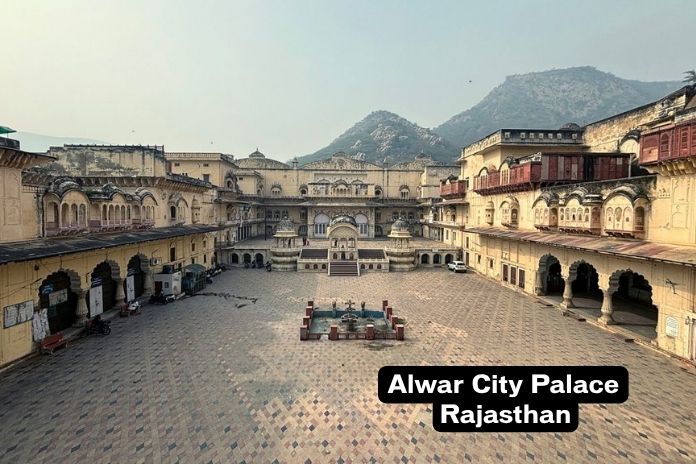
This royal gem features 15 large and 51 smaller towers, with interiors adorned in intricate murals and mirror work. Key highlights include the Sheesh Mahal, Salim Sagar Tank, and the regal Diwan-e-Khas. Offering panoramic views of Alwar and the distant Sariska Tiger Reserve, the palace remains a majestic testament to a bygone era of boundless luxury and historical grandeur.
Khecheopalri Lake, West Sikkim, Sikkim
Located 147 km from Gangtok, Khecheopalri Lake, or Kha-Chot-Palri, is a sacred “wish-fulfilling” site for Buddhists and Hindus. Nestled at 1,700 meters amidst pristine forests, this 3,500-year-old lake is uniquely shaped like a foot.

According to folklore, it represents the human thorax, forming a spiritual map with Yuksom, Tashiding, and Pemayangtse. Locally called Sho Dzo Sho, the lake drains a 12-square-kilometer area within the Ramam watershed. Its serene waters and deep mythological roots—honouring the “heaven of Padmasambhava”—make it a significant pilgrimage destination and a centrepiece of West Sikkim’s natural and topographical heritage.
Madurai, Tamil Nadu
Known as ‘Thoonga Nagaram’ or “the city that never sleeps,” Madurai is a vibrant urban center with roots tracing back to the 3rd century BC. Dubbed the “Athens of the East,” its towering Meenakshi Sundareswarar Temple mirrors the grandeur of the Greek Pantheon, earning mentions from Megasthenes and in Sangam literature. Today, the city’s streets are adorned with marvelous Dravidian architecture, palaces, and churches.

This tourism-friendly destination seamlessly blends ancient heritage with modern convenience, attracting millions who come to witness its enduring historical and cultural brilliance.
Warangal Fort, Warangal, Telangana
Warangal Fort, a captivating testament to the splendour of Telangana’s rich heritage. This unique monument stands as a proud sentinel of the Kakatiya dynasty’s legacy- offering an unique blend of historical significance, architectural brilliance and cultural richness. As you enter this ancient fortress, you will be reminded of the golden era of the Kakatiyas, who reigned over the Deccan Plateau from 1175 to 1324 CE.
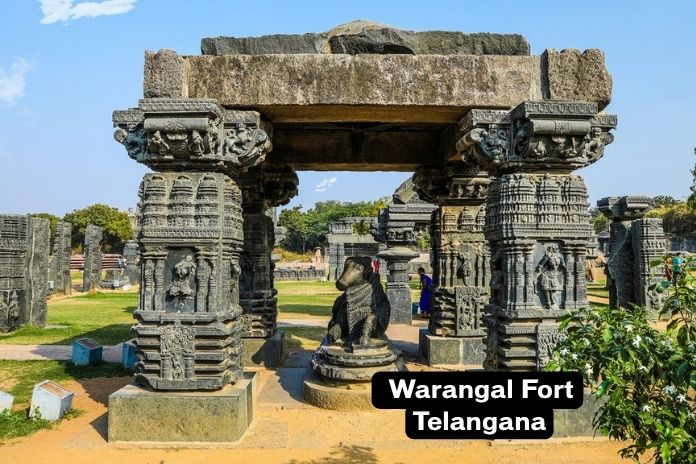
The fort’s imposing structures, intricate carvings and innovative water management systems bear witness to the ingenuity and artistic prowess of this mediaeval dynasty. Despite facing numerous invasions, the resilient walls of Warangal Fort continue to narrate tales of valour, craftsmanship and regal grandeur.
Durgabari Tea Estate, Agartala, Tripura
Near Agartala, the Durgabari Tea Estate is a vital economic hub and picturesque destination, marking West Tripura as a leading tea producer. Established in the late 19th century, its foundation rests on the region’s fertile soil and favourable climate. Named after a nearby revered Durga Temple, the estate reflects deep spiritual roots.

The colonial legacy remains visible in the architecture of the manager’s bungalow and historical structures. Proximity to the capital makes these sprawling gardens a popular escape for locals and tourists. Today, the estate stands as a tranquil testament to the region’s rich historical past and enduring tea-growing heritage.
Beatles Ashram (Chaurasi Kutia Ashram) Rishikesh, Uttarakhand
In the serene forests of Rishikesh, the Chaurasi Kutia Ashram—now famously known as the Beatles Ashram—stands as a bridge between Western rock and Indian spirituality. Seeking transcendental meditation under Maharishi Mahesh Yogi in 1968, the Beatles stayed here from February to April.

This transformative retreat became their most prolific songwriting phase, where they penned most of the “White Album.” Though deserted in the 1990s and left to the elements, the site remains a magical destination. Today, its graffiti and “84 cottages” offer enthusiasts a glimpse into the band’s historic sojourn in the world’s yoga capital.
Mathura, Uttar Pradesh
Situated on the Yamuna riverbanks in Uttar Pradesh, Mathura is a sacred city embodying India’s spiritual heritage. As Lord Krishna’s birthplace and one of Hinduism’s seven holy cities, it attracts global pilgrims to its numerous temples. Together with Vrindavan, it forms the heart of Braj Bhoomi, where Krishna spent his childhood.

The city’s old-world charm is reflected in narrow streets, ancient houses, and ornately carved doorways. This living entity preserves a rich history, transporting devotees back in time to explore the myriad forms of one of Hinduism’s most revered deities.
Galingka Bungalow, Kalimpong, West Bengal
Constructed in the late 1800s, Galingka Bungalow is an aesthetically appealing colonial residence in Kalimpong. Originally built as a strategic lodging for British wool merchants traveling between Tibet and India, this heritage site later hosted prominent English authorities and iconic Indian figures.

Today, it remains an idyllic haven, preserved to showcase impressive architecture and exquisitely cultivated gardens. Visitors can enjoy panoramic views of the Himalayan Mountains and surrounding valleys, offering a serene escape from urban life. A silent witness to history’s crossroads, the bungalow seamlessly blends its commercial origins with a legacy of providing respite to weary travelers.
Highlights

Indian Films At Toronto a Sparkling Quartet

TIFF Reveals Plans for Industry Conference

Films by Shekhar Kapur and Shubham Yogi Selected for Toronto Gala

A Selection to Die for

Le Musk: A Brave New Frontier in Cinema

The Path finder: Jyoti Deshpande

Toonz to Honour Aabid Surti, Biren Ghose at Animation Masters Summit

India is the Country of Honour at Cannes

RAVINDRA VELHAL: DRIVING MEDIA TRANSFORMATION

THE PATH FINDER: JYOTI DESHPANDE

INTO THE WORLD OF RRR

Powerkids Appoints Manoj Mishra as CEO

Toonz Join Tunche Films to Co-Produce Spanish-Peruvian Animation Feature Kayara

National Museum of Indian Cinema Hosts Vintage Vehicles

I&B Secretary promises Govt’s Support to Film industry

Tom Cruise’s ‘Top Gun: Maverick’ to Blaze at Cannes

Illumination’s Minions: The Rise of Gru is the Annecy Festival Opener

Now, Shoot at Sight in India!

Lata Mangeshkar, India’s Singing Goddess

Quantum Image Making Has Arrived

Indian Films To Look Out For In 2022

2022: Centenary of Indian Cinema Legends

Singing Legend Lata Mangeshkar, Nightangale of India, Dies at 92

Bhushan Kumar’s T-Series Ventures Into OTT Content Creation Space


