INCA Conclave Sets Reality Check For Indian Cinema in Mumbai
By Pickle April 12, 2026
Share:


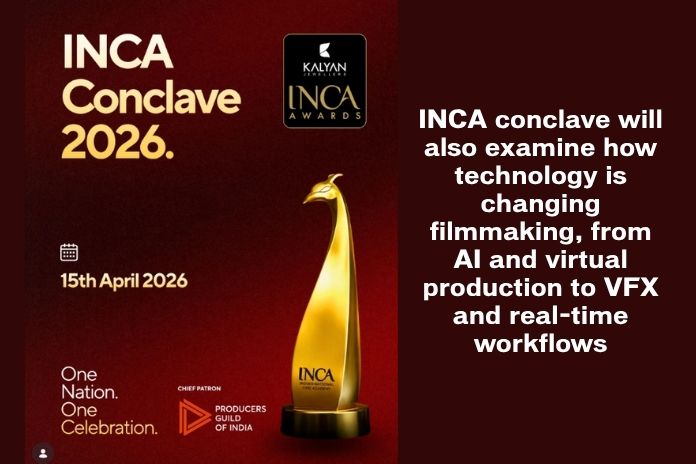
The Indian National Cinema Academy’s inaugural Conclave in Mumbai on April 15 will bring together some of the country’s most influential filmmakers, producers, platform executives and actors for a wide-ranging reality check on the state of Indian cinema across regions. With speakers including Shobu Yarlagadda, Rana Daggubati, Shakun Batra, Apoorva Mehta, Monika Shergill, Vikram Malhotra, Nikhil Advani, Raj Nayak, Parvathy Thiruvothu, Richa Chadha among others, the forum is positioning itself as a serious industry platform rather than a celebratory add-on to awards season.
INCA, backed by the Producers Guild of India as chief patron, has been framed as a national platform meant to connect India’s fragmented film industries through transparent, inclusive and industry-led conversations. The conclave is part of that larger effort, with the day-long format designed to move beyond promotional talk and instead examine how films are financed, distributed, marketed and consumed in a rapidly shifting marketplace.
Regional cinema at the centre
The most important thread running through the agenda is the recognition that Indian cinema no longer behaves like a single market. Regional industries have become decisive creative and commercial engines, while streaming has changed the way audiences discover and consume films, making the old Hindi-versus-regional binary look increasingly outdated.
That shift is reflected in the conclave’s focus on theatrical windows, hybrid releases, dubbed content and cross-regional reach. The discussions are expected to test how much of the industry’s current language around “pan-India” success is real market integration, and how much remains driven by a few breakout titles and star-led event films.
Distribution and economics
One panel will examine “The Future of Distribution: Beyond Theatrical vs OTT,” a topic that has become central as exhibitors and platforms continue to negotiate release windows and audience behaviour changes. Recent industry debate over an eight-week theatrical window in the South underscores how unresolved that question remains, especially as producers seek flexibility and exhibitors push for protection of cinema halls.
Another session, “The New Economics of Indian Cinema,” is likely to be one of the sharpest, because the industry is still wrestling with rising production costs, star fees, shrinking room for mid-budget films and the growing influence of streaming buyers in greenlighting decisions. The conclave’s framing suggests that the conversation will not avoid uncomfortable questions about sustainability, especially for content-driven films that may not fit the blockbuster model.
Technology and streaming
The conclave will also look at how AI, virtual production and VFX are reshaping filmmaking, alongside a separate discussion on what OTT platforms actually want from Indian content. That is a timely pairing, because streamers continue to reward regional stories, dubbed content and data-friendly formats, but remain selective about the projects they back.
By placing technology and platform expectations in the same forum, INCA is effectively asking whether Indian cinema can modernize its production pipeline without losing the creative diversity that has made regional industries so powerful. The answer may shape not just what gets made, but who gets to make it, and for which audience.
INCA’s larger ambition is to become an annual, fact-driven forum for Indian cinema, one that reflects the industry as it is rather than as it wants to be seen.
Highlights

2022: Centenary of Indian Cinema Legends

TIFF Reveals Plans for Industry Conference

Films by Shekhar Kapur and Shubham Yogi Selected for Toronto Gala

A Selection to Die for

Le Musk: A Brave New Frontier in Cinema

The Path finder: Jyoti Deshpande

Toonz to Honour Aabid Surti, Biren Ghose at Animation Masters Summit

India is the Country of Honour at Cannes

RAVINDRA VELHAL: DRIVING MEDIA TRANSFORMATION

THE PATH FINDER: JYOTI DESHPANDE

INTO THE WORLD OF RRR

Powerkids Appoints Manoj Mishra as CEO

Toonz Join Tunche Films to Co-Produce Spanish-Peruvian Animation Feature Kayara

National Museum of Indian Cinema Hosts Vintage Vehicles

I&B Secretary promises Govt’s Support to Film industry

Tom Cruise’s ‘Top Gun: Maverick’ to Blaze at Cannes

Illumination’s Minions: The Rise of Gru is the Annecy Festival Opener

Now, Shoot at Sight in India!

Lata Mangeshkar, India’s Singing Goddess

Quantum Image Making Has Arrived

Indian Films To Look Out For In 2022

Singing Legend Lata Mangeshkar, Nightangale of India, Dies at 92

Bhushan Kumar’s T-Series Ventures Into OTT Content Creation Space

What’s India Looking for at European Film Market