Restorations & Revelations: India’s Berlinale Blitz
By Pickle February 10, 2026
Share:


Indian cinema makes waves at Berlinale 2026, with four films spanning diverse regions, two Indians on prestigious juries, and a landmark restoration—signaling a shift from festival hopeful to global tastemaker and heritage powerhouse.
At the 2026 Berlinale, Indian cinema commands unprecedented attention, presenting an eclectic slate of four films, two prominent jury appointments, and a powerful archival story. Together, these elements mark a significant evolution: from festival participant to an institutional force shaping global cinematic discourse.
A Cinematic Mosaic: Four Films, Four Voices
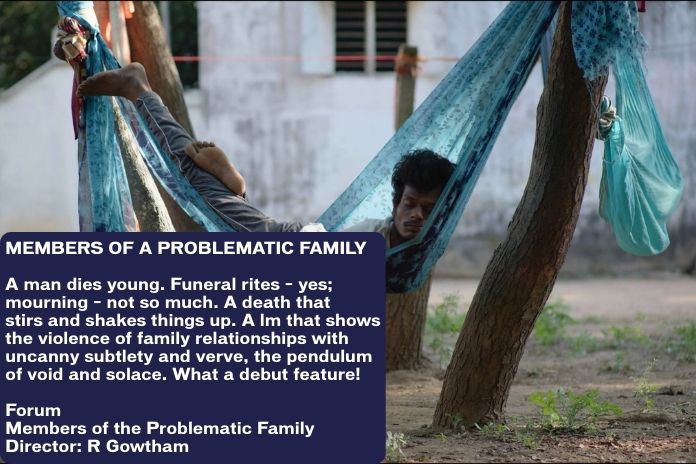
India’s selections this year traverse geographic, linguistic, and thematic diversity. Tamil director R. Gowtham’s debut, Members of the Problematic Family, makes history as the first-ever Tamil Nadu debut in the Berlinale Forum. The 140-minute drama, lauded for its nuanced exploration of familial violence and trauma, signals a bold new voice in socially engaged cinema.
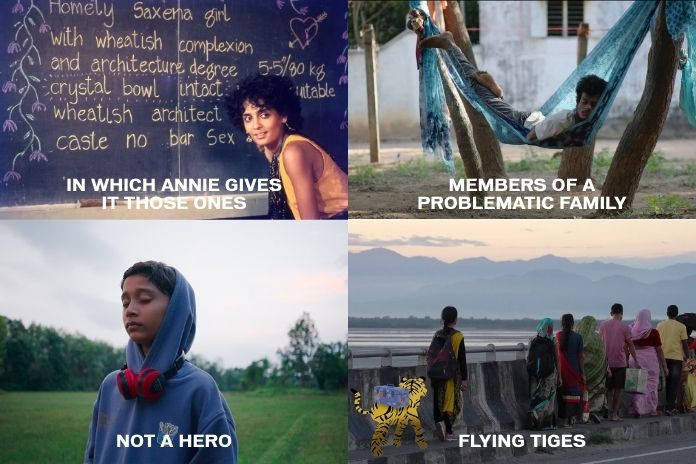
India’s cinematic footprint at Berlinale 2026 spans four selections, from Tamil and Assamese narrative gems to an Indo-German documentary and the restoration of a cult classic. The lineup reflects the country’s vibrant regional voices and its growing stature in global filmmaking.
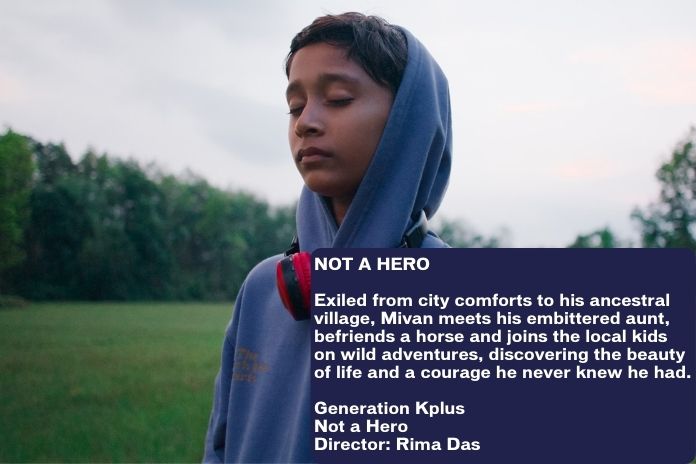
National Award-winner Rima Das returns for a third consecutive outing with Not a Hero, an Assamese-language coming-of-age story in the Generation Kplus section. The film’s tale of rural resilience and youth courage not only cements Das’s international standing but also highlights the emergence of Northeast Indian cinema on the world stage.
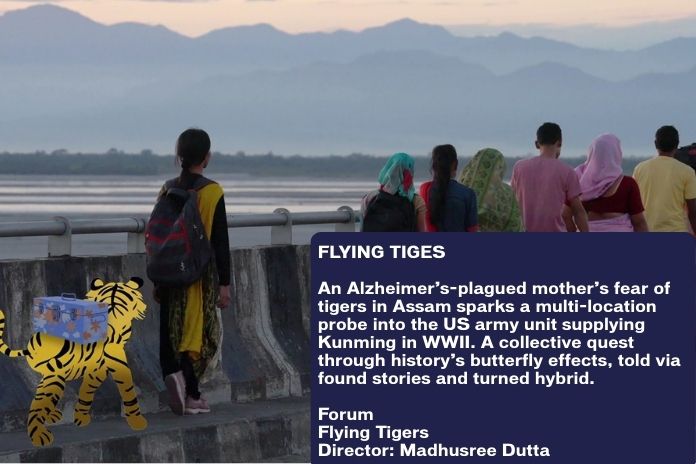
Documentary filmmaker Madhusree Dutta breaks a two-decade hiatus with Flying Tigers, a Germany-India production delving into the environmental aftershocks of World War II’s Himalayan military airlift. The film’s nuanced narrative—eschewing easy sentimentality—charts the displacement of tigers into Assam’s tea estates, where Dutta’s own family history is rooted.
R. Gowtham’s “Members of the Problematic Family” becomes the first Tamil debut to enter the Berlinale Forum, while Rima Das’s third consecutive selection with “Not a Hero” solidifies Northeast India’s emergence on the world stage. Madhusree Dutta’s “Flying Tigers” explores forgotten ecological histories, and a 4K restoration of “In Which Annie Gives It Those Ones” brings an ‘80s indie milestone back into the limelight.
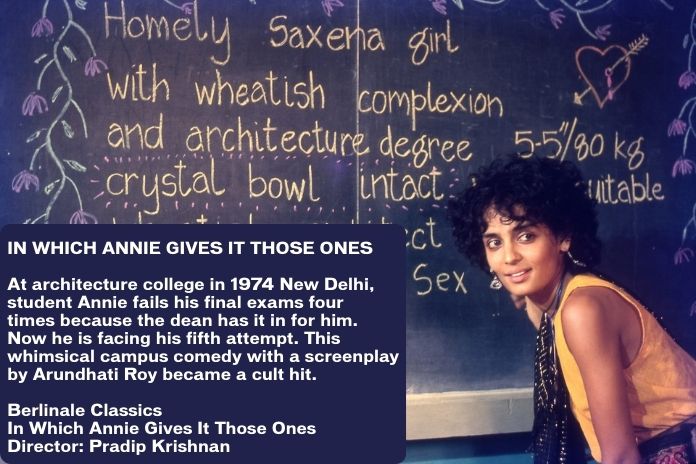
Completing the quartet is a landmark restoration: In Which Annie Gives It Those Ones, Pradip Krishen’s 1989 indie classic. Featuring early performances by Shah Rukh Khan and Manoj Bajpayee, the film returns to the screen in Berlinale Classics after an intensive 4K restoration by the Film Heritage Foundation. Described as “arguably India’s first true ‘English’ film,” the project stands as a testament to India’s growing expertise in film preservation.
Shaping the Festival: Indian Voices on the Jury
For the first time, Indians occupy two influential jury seats. Shivendra Singh Dungarpur, founder of the Film Heritage Foundation, joins the International Jury, chaired by celebrated director Wim Wenders. Dungarpur’s presence is more than symbolic—he now holds decisive sway over the festival’s top honors, including Best Film and Best Director, underscoring India’s transition from outsider to collaborative partner in global cinema.
Indian influence deepens off-screen, too. Shivendra Singh Dungarpur’s historic role on the International Jury marks a new era of institutional partnership, while Oscar-nominated Shaunak Sen’s seat on the Documentary Jury highlights Delhi’s creative edge and environmental consciousness.
Meanwhile, Shaunak Sen—fresh from an Oscar nomination for All That Breathes—brings his environmental insight and academic rigor to the Documentary Award Jury. His involvement not only elevates conversations around ecological storytelling but also places Delhi’s independent filmmaking in the international spotlight.
Archival Resurgence: Chetna Vora’s Unlikely Legacy
Adding further depth to India’s Berlinale narrative is the rediscovery of Chetna Vora’s Frauen in Berlin. Though not part of the official program, this 1981-82 Cold War-era film—created during Vora’s time as an India-GDR exchange student—documents East German women across generations. When the film school demanded cuts, Vora refused, and the original was destroyed. Yet, through a secret VHS recording, the work survived, now resurfacing via international screenings and research. Vora’s daughter, filmmaker Neelesha Barthel, carries forward this legacy, linking suppressed histories with contemporary practice.
A parallel archival narrative unfolds with Chetna Vora’s rediscovered “Frauen in Berlin,” a Cold War-era film saved by subversive VHS ingenuity. The project, now championed by her daughter Neelesha Barthel, underscores the enduring impact of India-GDR cultural exchange and the resilience of suppressed voices.
A New Chapter for Indian Cinema
The convergence of diverse film selections, strengthened institutional participation, and archival recovery signals a maturing Indian presence at Berlinale. No longer content with seeking external validation, Indian cinema is now an active architect of its global narrative—championing its heritage, contributing to festival decisions, and showcasing the creative pulse that spans its many regions.
This convergence of creative output, jury authority, and archival revival marks a turning point for Indian cinema. No longer seeking mere validation, India steps forward as both a guardian of film heritage and a shaper of global cinematic discourse at Berlinale 2026.
Berlinale 2026 thus stands as a milestone: a celebration of Indian cinema’s journey from participant to powerhouse, shaping the contours of international film for years to come.
Highlights

UNESCO, USO India, Toonz tie up for World Water Day Animation Creation

Stage set for Cannes from July 6. Spike Lee, Cannes Jury Head

TIFF Reveals Plans for Industry Conference

Films by Shekhar Kapur and Shubham Yogi Selected for Toronto Gala

A Selection to Die for

Le Musk: A Brave New Frontier in Cinema

The Path finder: Jyoti Deshpande

Toonz to Honour Aabid Surti, Biren Ghose at Animation Masters Summit

India is the Country of Honour at Cannes

RAVINDRA VELHAL: DRIVING MEDIA TRANSFORMATION

THE PATH FINDER: JYOTI DESHPANDE

INTO THE WORLD OF RRR

Powerkids Appoints Manoj Mishra as CEO

Toonz Join Tunche Films to Co-Produce Spanish-Peruvian Animation Feature Kayara

National Museum of Indian Cinema Hosts Vintage Vehicles

I&B Secretary promises Govt’s Support to Film industry

Tom Cruise’s ‘Top Gun: Maverick’ to Blaze at Cannes

Illumination’s Minions: The Rise of Gru is the Annecy Festival Opener

Now, Shoot at Sight in India!

Lata Mangeshkar, India’s Singing Goddess

Quantum Image Making Has Arrived

Indian Films To Look Out For In 2022

2022: Centenary of Indian Cinema Legends

Singing Legend Lata Mangeshkar, Nightangale of India, Dies at 92


